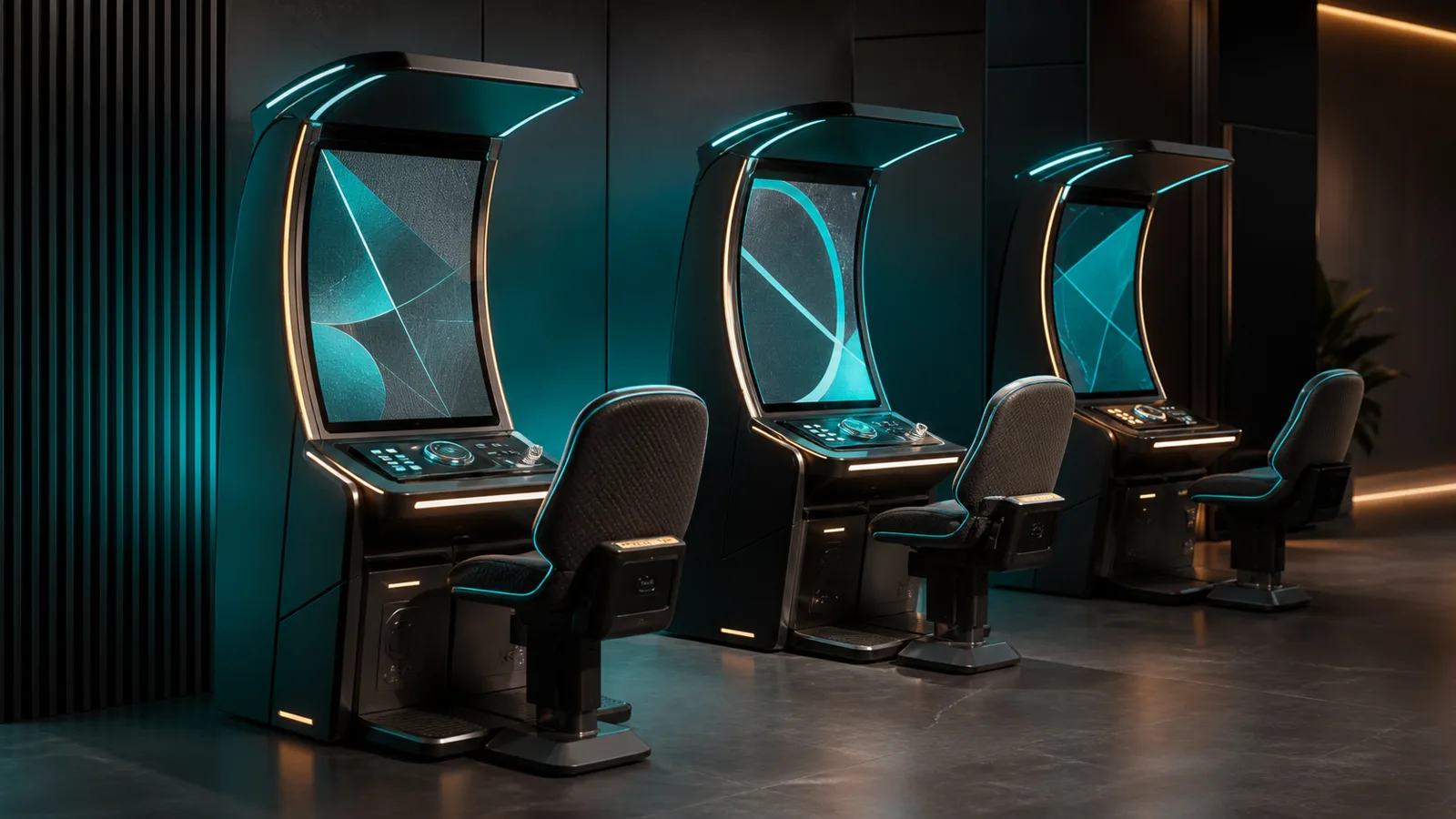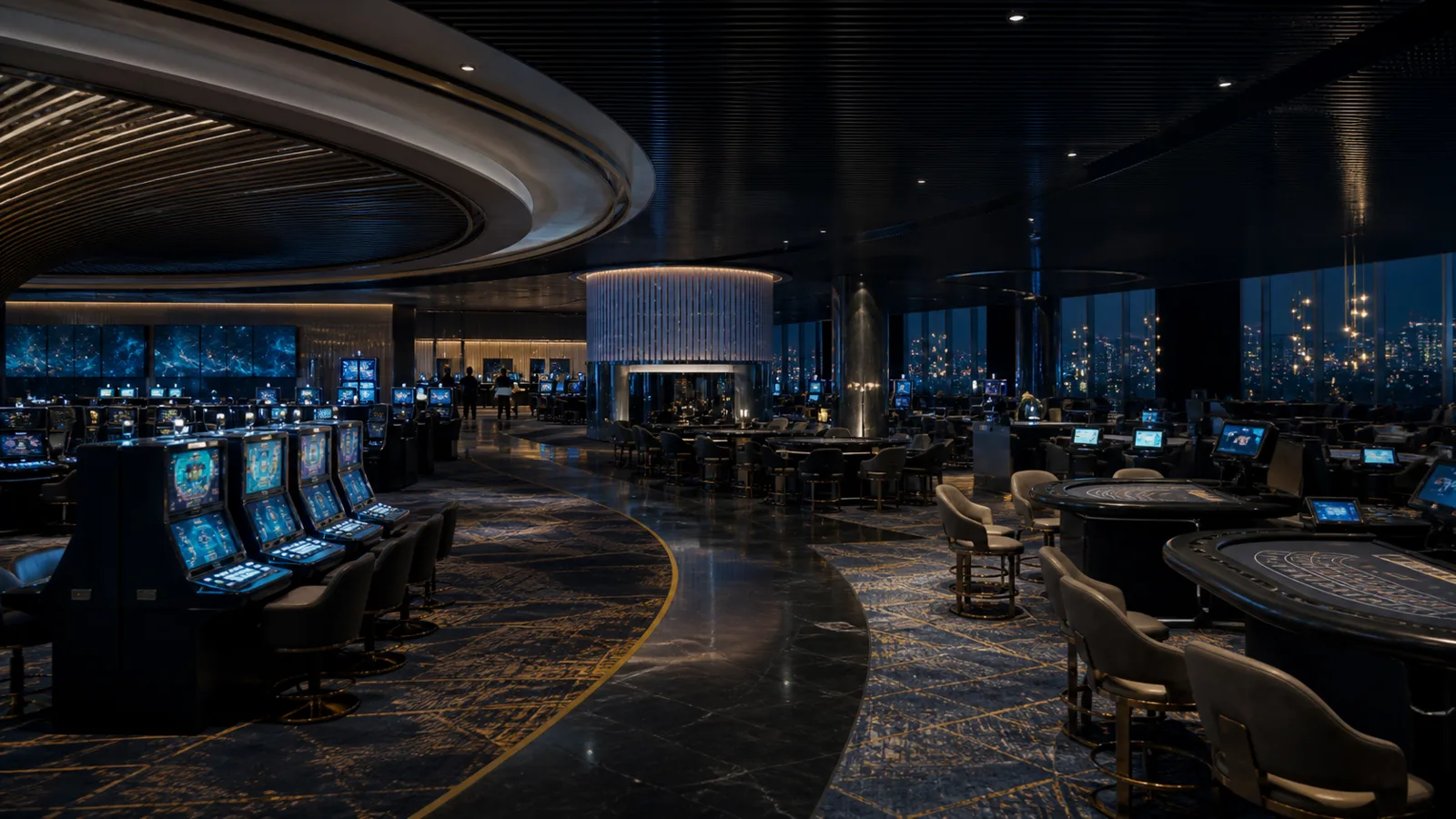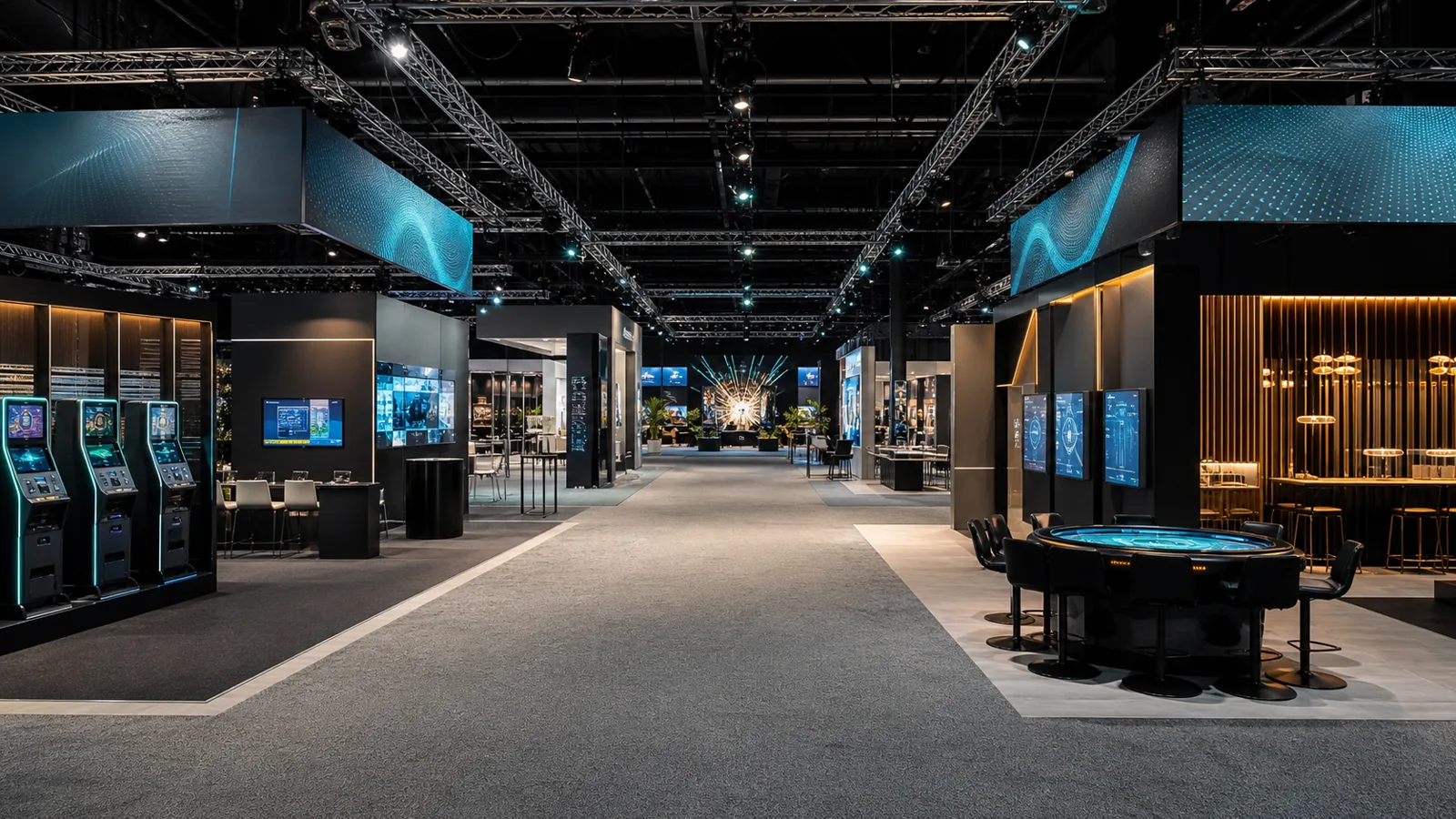
A gaming exhibition is designed to compress attention. New cabinets stand under controlled light, demonstration tables run without interruption and large screens turn product families into coherent stories. That theatre has a purpose: buyers need to compare physical form, interaction and supplier direction. But a show-floor impression answers only the first procurement question—whether a product deserves deeper investigation.
The operational layer is harder to display and more important over time. How is content deployed? What happens when connectivity is lost? Which data leave the device? How are updates signed, scheduled and reversed? How does a support team see fleet health? Which claims have been tested in live environments? The answers define deployability.
Interoperability is a commercial promise
Vendors increasingly describe products as open, connected or integration-ready. These terms need translation. A buyer should ask which interface version is supported, which data are available, who licenses their use, what latency applies and how long compatibility will be maintained. A demonstration integration may depend on custom work that is not included in a production agreement.
Useful interoperability includes change management. If one vendor updates a field or authentication method, dependent systems need notice, testing and a rollback path. The mature proposition is not simply “we have an API”; it is “we operate this interface as a product.”
Service is part of the product
Exhibitions favour features because they photograph well. Service performance becomes visible only after installation. Procurement teams should use show meetings to understand parts locations, diagnostic access, response coverage, technician training, escalation and product-life policy. A powerful product with an uncertain service model creates operating risk.
The same applies to software. Release cadence, security support, maintenance windows and compatibility are commercial terms with operational consequences. Vendors should be able to explain which versions remain supported and how customers move between them.
Compliance tooling moves to the centre
Identity, limits, exclusion, transaction monitoring, reporting and case management increasingly appear as connected components rather than specialist back-office products. That reflects regulation moving into the customer journey. Yet no compliance dashboard should be evaluated by appearance alone. Teams need to see the evidence model: what created an alert, which data are authoritative, who can amend a record and how the system supports review.
Supplier governance is also a product capability. Operators may need to know where services are hosted, which subcontractors have access, how incidents are reported and whether a configuration is authorised in a particular jurisdiction. Vendors that make this evidence easy to obtain reduce licensing friction.
A valuable exhibition meeting ends with a testable next step: a technical workshop, evidence request, reference call or controlled trial—not only a brochure.
Design claims need measures
Sustainability and accessibility now feature more prominently in product stories. Buyers should welcome that shift and ask for detail. Energy should be measured at representative settings; repairability should be supported by parts and time data; accessibility should be tested across tasks and users; material claims should include scope and method.
Comparability matters. A headline percentage without a baseline cannot guide procurement. Teams should agree evaluation conditions before the show so that each vendor receives the same core questions.
A better show-floor workflow
- Separate discovery meetings from technical and commercial evaluation.
- Record the product version and certification status shown.
- Ask vendors to demonstrate degraded and exception states, not only the ideal path.
- Bring operations, compliance, security and service perspectives into the meeting plan.
- End each serious conversation with an owner, evidence request and decision date.
The modern gaming expo still sells machines, tables and visual experiences. More importantly, it sells confidence that those products can join a regulated operating environment and remain supported. That confidence should be earned in the quiet details behind the stand.