Where the industry compares notes
We approach conferences as working environments: places to test product claims, observe procurement signals, hear regulatory priorities and understand which conversations will matter after the stands come down.
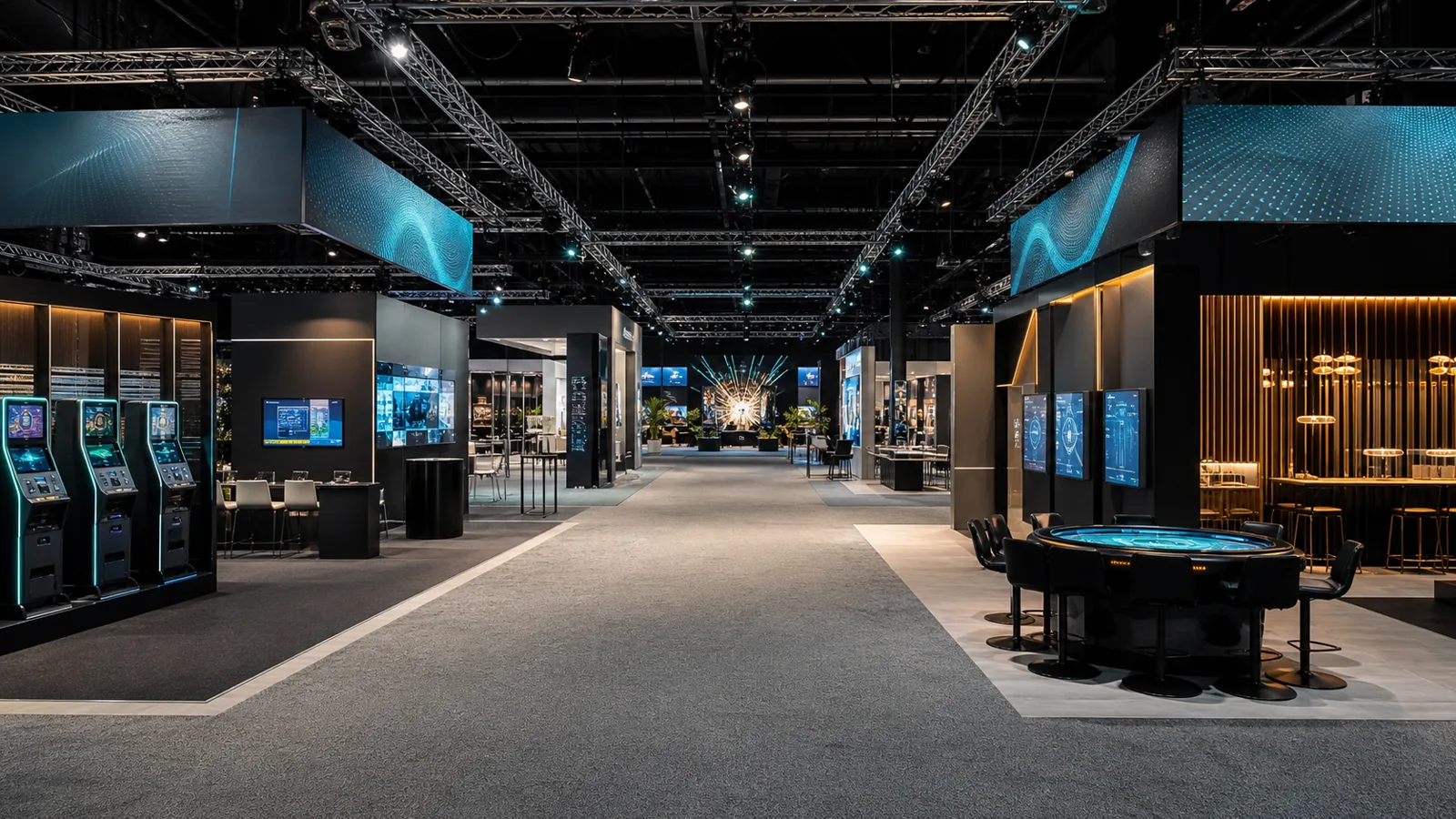
The real product is the operating layer
A modern show floor still leads with cabinets and tables. Yet the deepest commercial conversations increasingly concern systems: orchestration, compliance evidence, identity, service tooling, cyber resilience and data that can cross product boundaries.
Read the field briefingA year organised by decision
Dates move and organisers update programmes. Instead of presenting an unverified ticket calendar, we map the recurring decision windows editorial and procurement teams should plan around.
European technology and policy cycle
Large exhibitions set the early-year tone for product launches, regulation panels and supplier roadmaps. Teams should compare certification status, deployment references and integration assumptions—not only prototypes.
Regional operating forums
Asia-Pacific and North American programmes tend to bring local market structure, resort operations and public policy into sharper focus. Useful questions concern implementation evidence and jurisdictional fit.
Procurement and project preparation
Venue teams translate early-year demonstrations into testing, capital plans and requests for proposal. Sustainability data, service models and security architecture become more important than launch theatre.
Global commercial showcase
The year’s largest gatherings reveal which concepts are ready to scale. Operators benchmark portfolios; manufacturers defend roadmaps; regulators compare approaches; project teams prepare the next budget cycle.
Five questions we take to every show
Is it deployable?
Certification, localisation, integration and support determine whether a demonstration can become an operating product.
Who owns the risk?
Every new data flow changes responsibility for security, privacy, continuity and regulatory evidence.
Can it be serviced?
Parts, diagnostics, training and response times shape whole-of-life value more than launch specifications.
Is it inclusive?
Accessible interaction, readable information and safer-play controls should be evident in the product, not appended later.
What is measured?
Claims about efficiency, engagement or protection need a baseline, clear methodology and evidence from real deployments.
What remains manual?
Automation often relocates work. Understanding exceptions and human review exposes the true operating model.